
Taking on commercial premises involves more than paying rent and keeping the business running. Your lease may also require you to maintain the building, redecorate at certain intervals and remove alterations before handing the property back. These responsibilities can become particularly important when your tenancy is approaching its end.
If you are asking what is dilapidations? The term generally refers to breaches of lease obligations relating to a property’s physical condition. Understanding these obligations early gives your business time to assess the building, obtain professional advice and organise any necessary work without a last-minute rush.
What Is Dilapidations? Understanding Your Commercial Lease Responsibilities
Dilapidations can affect offices, shops, industrial units and other leased commercial buildings. For tenants, the practical challenge is understanding what the lease requires and how those requirements relate to the property’s actual condition.
A workspace that functions well for your business may still need work before it meets the lease’s handover requirements. Equally, a landlord’s proposed list of repairs should be assessed against the lease rather than accepted without review.
This guide explains the key issues for commercial tenants in England and Wales. It provides general information, with individual lease obligations and disputes requiring advice from a suitably qualified surveyor or solicitor.
In this article:
- What Is Dilapidations In A Building?
- What Is The Purpose Of A Dilapidation Report?
- What Is The Law On Dilapidations?
- What Works Can Commercial Tenants Be Responsible For?
- How Should Tenants Prepare For The End Of A Lease?
- How Can Planned Maintenance Help Manage Dilapidations?
What Is Dilapidations In A Building?
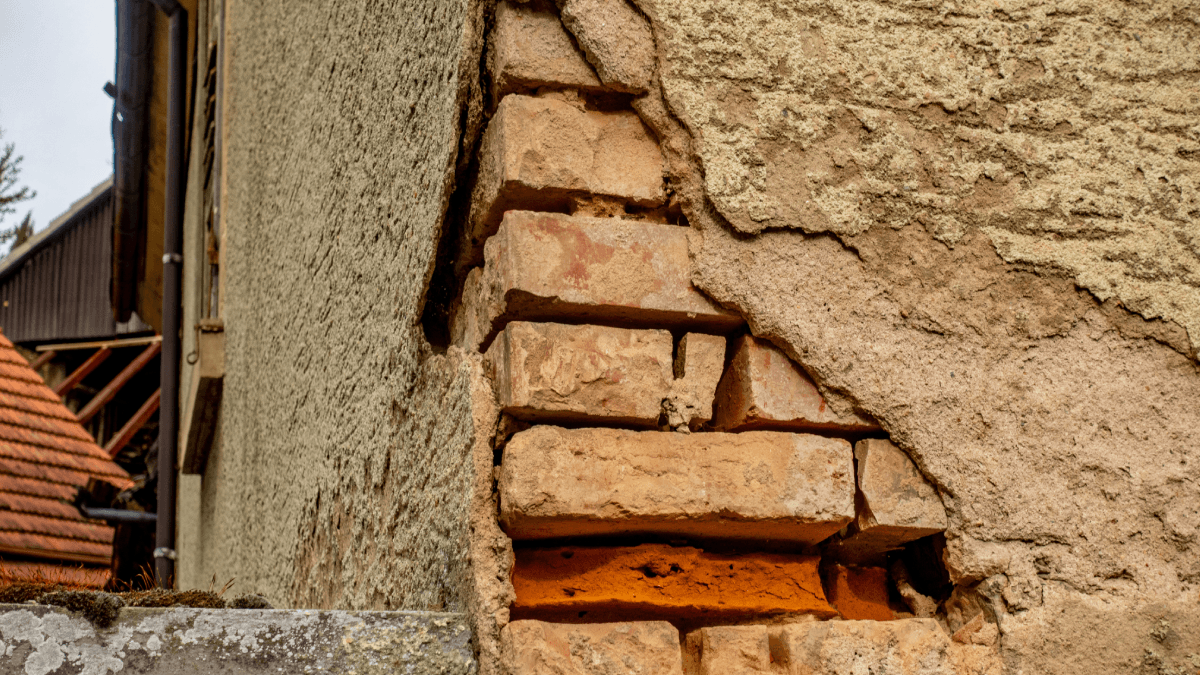
In commercial property, dilapidations concerns alleged breaches of lease obligations involving repair, decoration, reinstatement and the condition in which premises must be returned. It does not simply mean that a building is old, unattractive or in need of modernisation.
For example, a tenant may have installed meeting rooms, changed floor finishes or added branded signage. Depending on the lease and any licence for alterations, some of these changes may need to be removed before departure. Other issues might involve damaged doors, neglected finishes or building services that have not been maintained as required.
The starting point is always the documentation. A lease may place responsibility on the tenant for the interior only, or extend it to wider parts of the building. Shared areas and services may be dealt with separately through service charge arrangements.
The RICS guide to dilapidations in England and Wales explains the importance of understanding lease obligations and taking appropriate professional advice.
A schedule of condition may help limit repairing liability if the lease expressly gives it that effect. However, photographs taken at the start of occupation do not automatically override the wording of a repairing covenant. Tenants should also avoid assuming that commercial leases include a general allowance for fair wear and tear: whether an allowance applies depends on the agreement.
What Is The Purpose Of A Dilapidation Report?
The phrase “dilapidation report” is often used informally. In a commercial lease dispute, the more specific document is usually a schedule of dilapidations, which identifies alleged breaches and the remedial works the landlord considers necessary.
A schedule will typically connect each item to a lease obligation, describe the issue and identify the proposed remedy. Depending on its purpose and timing, it may also include estimated costs. Supporting photographs and inspection notes can help explain the condition being assessed.
For a tenant, this provides a basis for reviewing the claim rather than treating it as an unexplained demand. An appointed building surveyor can assess whether the alleged defects fall within the tenant’s obligations and whether the proposed work is appropriate.
A schedule of dilapidations should not be confused with a schedule of condition. The latter records the property’s condition at a particular time, often before a lease begins. Its effect on liability depends on how it is incorporated into the lease.
At lease end, a landlord may also issue a quantified demand. This explains the financial claim and supporting losses. The amount claimed is not automatically the same as the total shown against proposed repairs.
An early assessment can help your business identify which items need investigation, which works may be necessary and where specialist advice is required before agreeing a scope.

What Is The Law On Dilapidations?
There is no single rule requiring every commercial tenant to return every property to an identical standard. Liability depends on the lease, relevant supplementary documents and applicable law. Repairing covenants, decoration clauses, alteration permissions and yielding-up provisions all need careful consideration.
For certain repair-related damages, section 18(1) of the Landlord and Tenant Act 1927 limits recovery by reference to the reduction in the value of the landlord’s interest caused by the breach. It also addresses situations where demolition or structural alterations would make the relevant repairs valueless. Its application requires specialist assessment; it should not be treated as a blanket cap covering every element of every dilapidations claim.
The Dilapidations Protocol sets out the approach courts normally expect before proceedings concerning terminal dilapidations claims in England and Wales. It encourages information sharing, negotiation and consideration of alternative dispute resolution.
The protocol generally envisages a schedule and quantified demand within 56 days after the tenancy ends, with a tenant’s response usually within 56 days after the quantified demand is sent. These are protocol expectations about reasonable timing, rather than a universal statutory deadline that automatically extinguishes a claim if missed.
The landlord’s intentions also matter. Under the protocol, a quantified demand should exclude works likely to be superseded by those intentions and should reflect likely loss. Tenants should seek advice before accepting liability, agreeing a settlement or assuming that leaving the premises ends their responsibilities.
What Works Can Commercial Tenants Be Responsible For?
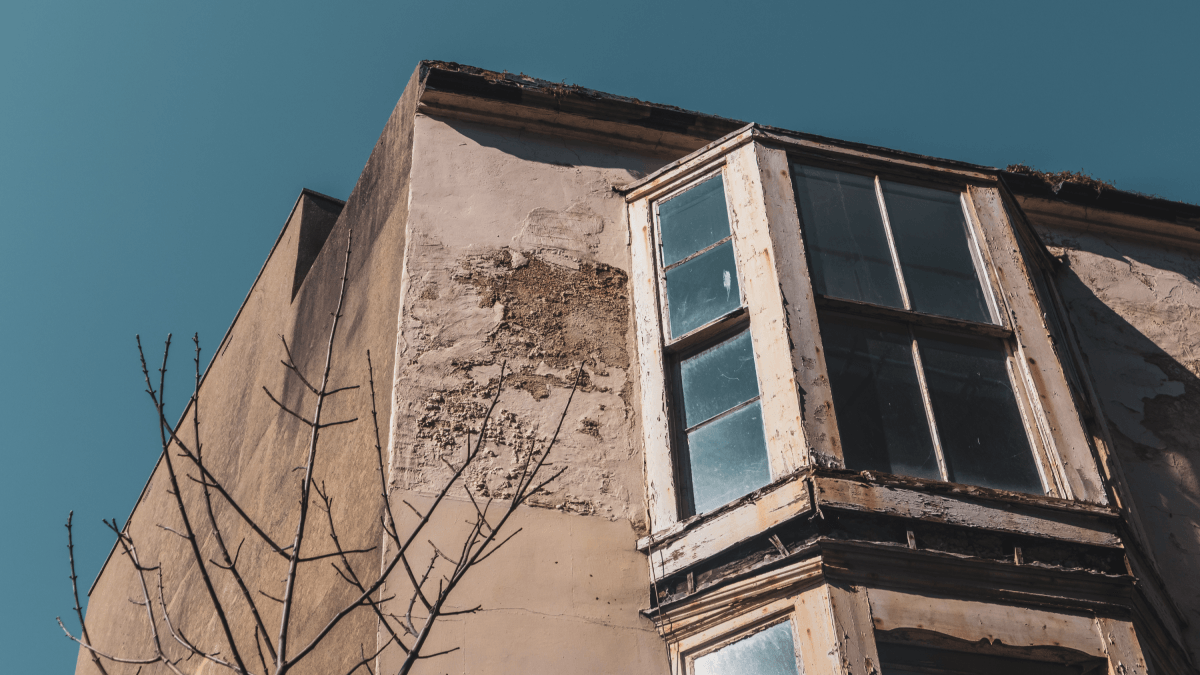
The scope of potential work varies considerably. A small office suite and a large industrial unit may involve different obligations, while two similar buildings can have very different leases.
Common categories to review include:
- Repairs: Addressing defects to elements the tenant is responsible for, which might include doors, ceilings, floors or building services.
- Redecoration: Completing decorating obligations in the manner or at the intervals specified by the lease.
- Reinstatement: Removing alterations where required under the lease or associated permissions, including compliance with relevant notice provisions.
- Making good: Repairing damage left by the removal of signage, fittings, partitions or equipment.
- Handover requirements: Returning the premises in the condition required by the yielding-up provisions.
Not every worn finish requires replacement, and not every tenant improvement must be removed. The obligation, condition and appropriate remedy need to be considered together. A landlord may also need to serve a reinstatement notice, depending on the documents.
Once the necessary works have been established, coordinated delivery becomes important. Removing partitions can affect ceilings, flooring, lighting and other services, so individual tasks should be planned as a connected project.
Our commercial refurbishment service brings together trades including flooring, decorating, plumbing and electrical work. A contractor can help deliver the specified physical works, while a surveyor or solicitor advises on the scope of legal liability.
That distinction helps businesses avoid commissioning unnecessary improvements or overlooking work genuinely required by their lease.

How Should Tenants Prepare For The End Of A Lease?
Preparation should begin well before your planned departure. Waiting until furniture is removed can leave insufficient time for assessment, approvals, procurement and completion.
Start by collecting the lease, licences for alterations, any schedule of condition and relevant correspondence. Maintenance records, photographs and earlier inspection reports can also help your advisers understand the property’s history.
Next, appoint a suitably qualified building surveyor to assess potential obligations. Legal input may be needed where clauses are unclear, reinstatement notices are disputed or the tenancy is ending through a break clause. Break conditions need particular care because their wording may affect whether the break is valid.
Create a programme that connects property work with the operational move:
- Establish the likely scope before obtaining comparable contractor quotations.
- Confirm permissions and any required notices with your advisers.
- Coordinate furniture removal, IT disconnection and access for contractors.
- Allow time for inspections, snagging and final documentation.
- Record completed work through photographs and relevant certificates.
Whether to carry out works or negotiate a financial settlement is a separate decision requiring professional advice. Tenants should not assume they can return after expiry to finish outstanding items without the landlord’s agreement.
For businesses relocating or changing facilities, our commercial construction service can support the delivery of new premises. Planning the outgoing property and the new facility together helps identify dependencies, including when teams and equipment can move.

How Can Planned Maintenance Help Manage Dilapidations?
Keeping your premises in good condition throughout your tenancy can make lease-end preparations more manageable. Regular inspections help your facilities team identify defects early, arrange repairs and avoid leaving outstanding work until your business is preparing to move.
Your maintenance plan should reflect the responsibilities set out in your lease. Depending on the property, this may include:
- Building fabric: Checking walls, ceilings, flooring and doors for damage.
- Building services: Arranging appropriate servicing of systems within your responsibility.
- Drainage and external areas: Inspecting and maintaining elements covered by your lease.
- Maintenance records: Keeping inspection reports, photographs and evidence of completed work.
Clear records give your surveyor a useful picture of how the property has been maintained and can support their assessment of any alleged breaches.
Our commercial property maintenance service helps businesses coordinate maintenance and remedial work around their operating hours. Addressing issues during occupation can reduce the amount of outstanding work that needs to be managed alongside a relocation.
Maintenance alone does not resolve every lease-end requirement. Even well-maintained premises may need redecoration or the removal of tenant alterations, depending on the lease and associated agreements.
Plan Ahead For A Smooth Commercial Property Handover
A successful handover starts with understanding what your lease requires and allowing enough time to act. Early professional advice and a clearly defined scope of works can help your business avoid unnecessary work, manage disruption and prepare the premises for departure.
At WSC Group, we support businesses with commercial maintenance, refurbishment and construction services tailored to their properties and operational needs. Speak to our team to discuss your project and plan your next steps.