
The modern workplace is evolving rapidly. In 2026, businesses across the UK are reassessing how their offices look, feel and function, with new office design ideas playing a central role in that transformation. Shifting employee expectations, rapid technological advancement, sustainability targets and hybrid working models continue to reshape what a productive workspace truly means.
Office Designs for 2026: Strategic Planning for Modern UK Businesses
Office design ideas for 2026 are about far more than aesthetics. They represent a strategic investment in how businesses operate, attract talent and position themselves for long-term growth. As workplace expectations continue to evolve across the UK, organisations must ensure their office environments actively support flexibility, sustainability, performance and brand identity.
For businesses planning a relocation, refurbishment or full commercial fit-out, early design decisions have lasting operational and financial implications. From infrastructure planning and material selection to technology integration and long-term maintenance, every element should align with wider business objectives.
Below, we explore the key elements shaping office designs for 2026 and how each contributes to creating resilient, future-ready commercial environments.
In this article:
- Flexible and Hybrid-Ready Layouts
- Sustainability at the Core
- Biophilic Design and Natural Integration
- Technology-Integrated Workspaces
- Employee Wellbeing As A Strategic Priority
- Brand-Led Interior Identity
- Multi-Functional Collaboration Spaces
- Acoustic and Privacy Solutions
- Long-Term Maintenance and Lifecycle Planning
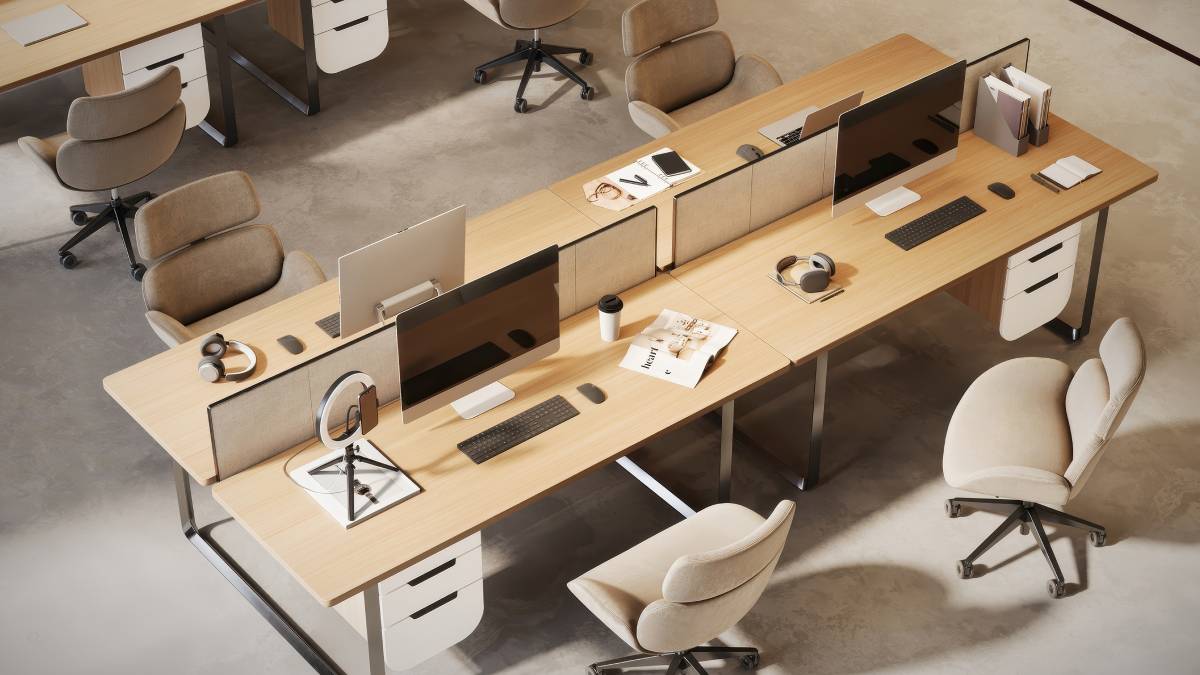
Flexible and Hybrid-Ready Layouts
Hybrid working is now firmly embedded in UK business culture. Data from the Office for National Statistics (ONS) continues to show that many employees divide their time between home and office. As a result, traditional fixed-desk layouts are increasingly impractical, and often inefficient.
In 2026, office design revolves around flexibility. Businesses are moving away from rigid layouts and instead creating environments that can adapt as teams grow, restructure or shift direction. Offices must comfortably support fluctuating numbers without feeling overcrowded or underused.
This shift is driving smarter space planning. Modular furniture allows layouts to change quickly. Movable partitions create larger collaboration zones when needed or smaller breakout areas for focused sessions. Multipurpose spaces are replacing single-use meeting rooms, and bookable touchdown desks provide hybrid staff with reliable workstations on office days.
Activity-based working is also becoming standard practice. Instead of assigned desks, employees choose spaces that suit their tasks, quiet zones for concentration, collaborative hubs for teamwork, and informal areas for creative thinking.
To make this work effectively, flexibility must be designed in from the start. During commercial construction projects, infrastructure should support adaptability through raised access flooring, integrated power, strong data connectivity and intelligent lighting systems. Planning for change early prevents costly alterations later.
Ultimately, adaptable office design protects long-term investment. As organisations evolve, flexible environments reduce the need for major refurbishments and help businesses respond confidently to economic uncertainty.
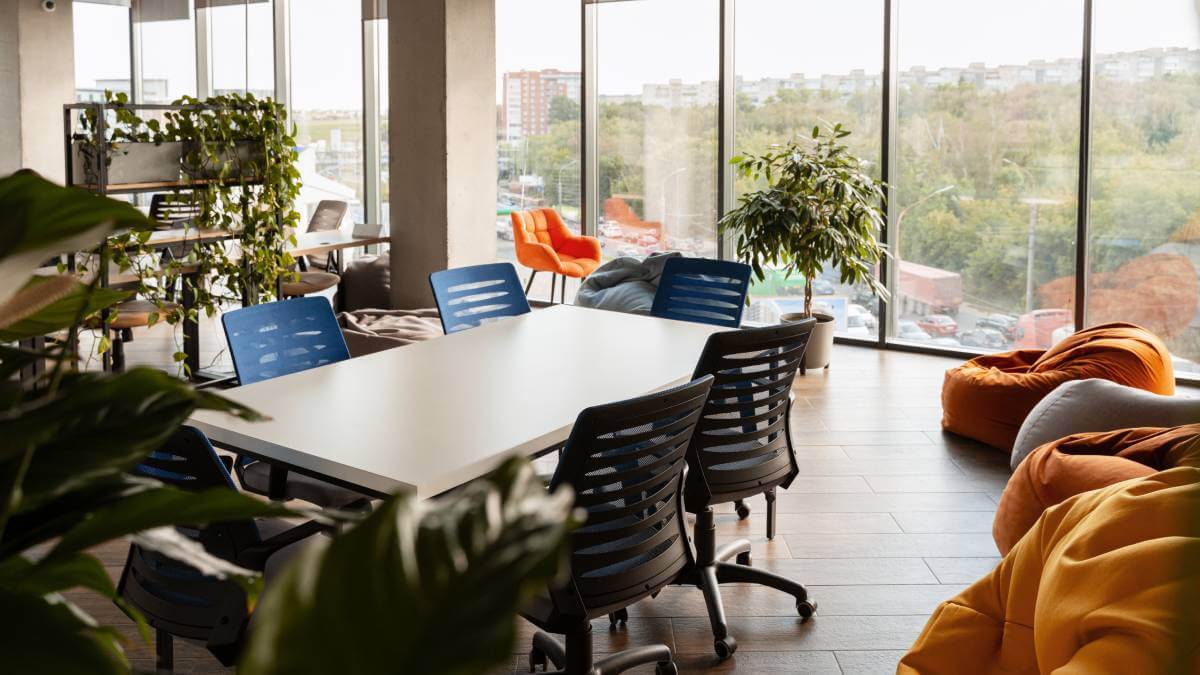
Sustainability At The Core
Sustainability is no longer a “nice to have” in office design; it’s an expectation. Businesses are under growing pressure from clients, investors, employees and regulators to demonstrate real environmental responsibility. Failing to act doesn’t just impact the planet; it can affect reputation, compliance and long-term operating costs.
In 2026, sustainability sits at the centre of decision-making. That means:
- Choosing low-carbon materials from the outset
More businesses are carefully selecting finishes, fixtures and structural elements with a reduced environmental footprint. Material choices now form part of a broader sustainability strategy, rather than being an afterthought. For more on this, see our guide on How Sustainable Building Materials Are Shaping Commercial Fit-Outs. - Improving insulation and thermal performance
Better insulation keeps offices warmer in winter and cooler in summer, reducing reliance on heating and air conditioning. This lowers both energy consumption and operational costs. - Adopting smarter procurement practices
Companies are paying closer attention to where materials are sourced, how they’re manufactured and the overall supply chain impact. - Reducing waste during fit-outs
This includes reusing existing features where possible, recycling materials responsibly and planning projects more efficiently to minimise excess. - Upgrading building systems for efficiency
LED lighting, intelligent controls and smart HVAC systems help regulate energy use based on occupancy levels. These changes deliver measurable cost savings while cutting emissions.
According to the UK Green Building Council (UKGBC), buildings account for around 25% of the UK’s greenhouse gas emissions. Improving commercial property performance is therefore essential in meeting national net-zero targets.
For many organisations, meaningful progress doesn’t require relocating. Targeted commercial refurbishments can significantly reduce environmental impact while keeping business operations running smoothly.
Beyond compliance and cost savings, sustainability also strengthens employer brand. Today’s workforce increasingly wants to be associated with organisations that take environmental responsibility seriously. A visibly sustainable workplace sends a clear message about company values, both internally and externally.
Biophilic Design and Natural Integration
Biophilic design, the integration of natural elements into built environments, continues to influence workplace strategy in 2026. Research from the World Green Building Council indicates that access to natural light, greenery and improved indoor air quality can positively affect wellbeing and productivity.
Modern office environments are incorporating:
- Living walls and carefully planned indoor planting to bring more greenery into the workspace.
- Layouts that maximise natural daylight, using glazing and smart space planning to keep interiors bright and open.
- Natural materials such as timber, cork and stone to add warmth and texture.
- Outdoor terraces or landscaped breakout areas where teams can step away from their desks.
- Organic textures and neutral colour palettes that create a calm, welcoming atmosphere.
The benefits extend beyond aesthetics. Exposure to natural elements has been linked to reduced stress levels, improved cognitive function and enhanced employee satisfaction.
In practical terms, biophilic design can improve indoor air quality and regulate humidity. These factors contribute to healthier working conditions and reduced absenteeism.
From a brand perspective, incorporating natural elements demonstrates forward-thinking design and environmental awareness, qualities increasingly valued by clients and stakeholders.
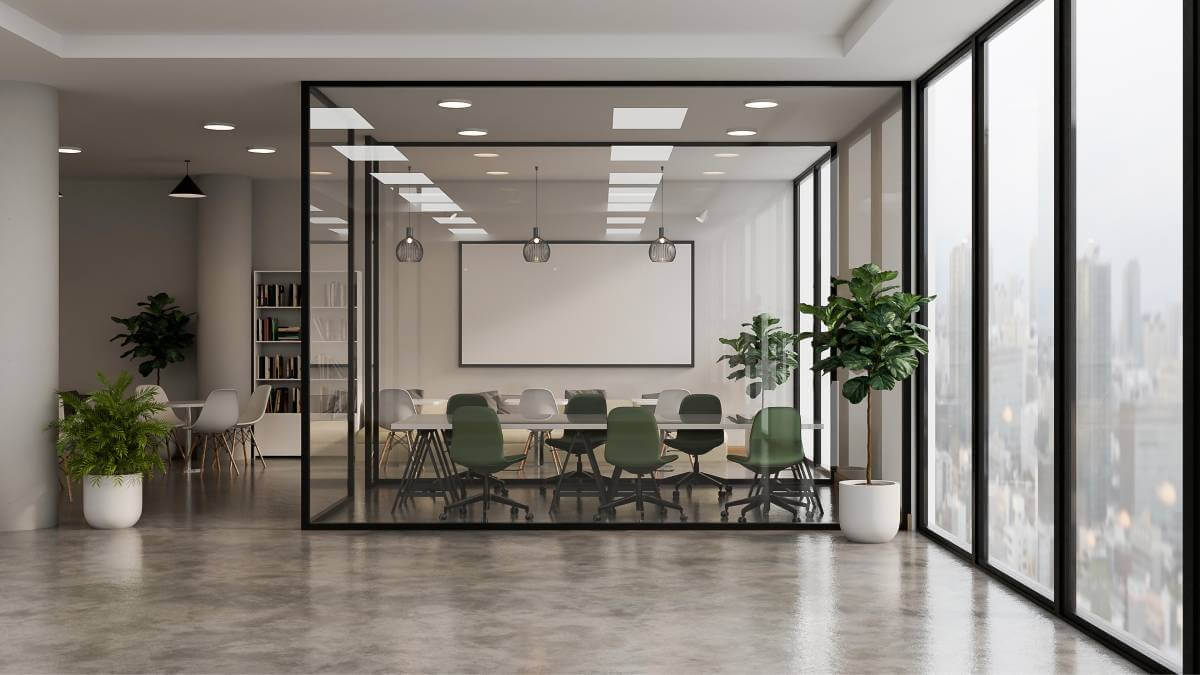
Technology-Integrated Workspaces
Technology is no longer an add-on; it is fundamental to office performance. Hybrid collaboration requires seamless digital connectivity, while operational efficiency depends on smart systems.
Office designs for 2026 integrate technology at every level.
Examples include:
- Fully equipped meeting rooms with high-definition video conferencing, so remote and in-office teams can collaborate without technical issues.
- Thoughtful acoustic optimisation to make conversations clearer and reduce background noise.
- Built-in wireless charging points to cut down on cables and keep desks tidy.
- Occupancy sensors that help businesses understand how their space is really being used.
- Intelligent lighting and climate control systems that adjust automatically to keep the environment comfortable while managing energy use.
Data-driven design is becoming increasingly prevalent. Occupancy analytics allow businesses to understand how spaces are used, informing decisions around layout adjustments or expansion.
Integrating technology during the commercial construction phase ensures infrastructure is future-ready. Structured cabling, secure server capacity and scalable power distribution should be embedded from the outset.
A technology-enabled office supports productivity, reduces friction in hybrid collaboration and positions organisations for continued digital transformation.
Employee Wellbeing As A Strategic Priority
Wellbeing is no longer a secondary consideration in office design. It’s a strategic priority. Businesses increasingly recognise that the physical workspace has a direct impact on morale, productivity and staff retention.
Research from Mind shows poor mental health costs UK employers billions each year through absenteeism, presenteeism and reduced productivity. While design alone isn’t the solution, the right environment can play a meaningful preventative role.
In 2026, employee-focused office design typically includes:
- Dedicated quiet areas
Open-plan offices work well for collaboration, but they can be distracting. Quiet zones give employees a place to focus on detailed or demanding tasks without constant interruptions. - Wellness or multi-faith rooms
These spaces offer privacy for reflection, prayer, or simply taking a few minutes to reset during a busy day. They demonstrate inclusivity and respect for diverse needs. - Ergonomic furniture and adjustable workstations
Supportive seating and height-adjustable desks reduce physical strain and help maintain energy levels throughout the working day. - Improved acoustic design
Sound-absorbing materials, zoning and smarter layouts reduce background noise, helping offices feel calmer and more productive. - Breakout and social spaces
Areas that encourage movement and informal interaction create a healthier rhythm to the day. Short breaks away from desks can improve focus and strengthen team relationships. - Natural light and environmental comfort
Access to daylight, effective ventilation and stable temperature control all contribute to better concentration and overall comfort.
Crucially, wellbeing-led design isn’t about luxury. It’s about practicality. Employees who feel physically comfortable and psychologically supported are more likely to perform consistently at a high level.
In a competitive talent market, investing in employee-centric office environments isn’t just good practice; it also strengthens recruitment and retention strategies in the long term.
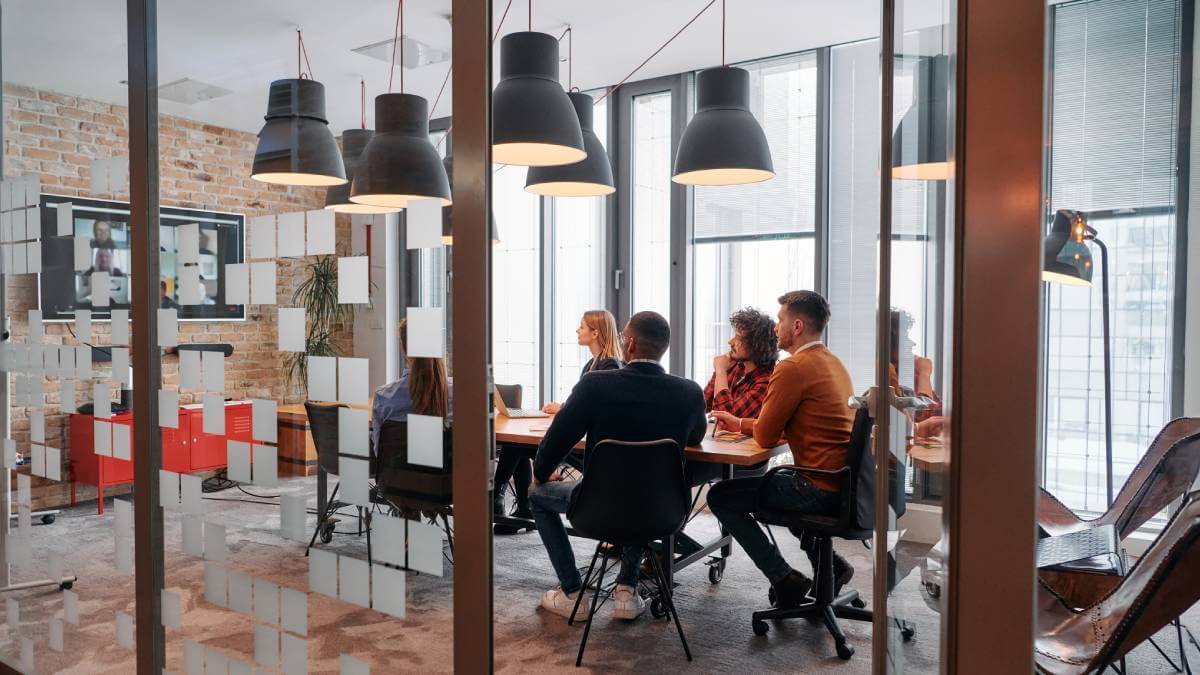
Brand-Led Interior Identity
In 2026, office interiors are powerful expressions of corporate identity. Businesses are using spatial design to communicate values, culture and ambition.
From reception areas to collaboration hubs, brand integration may include:
- Bespoke signage and graphic installations
- Customised colour schemes aligned with brand guidelines
- Feature walls that showcase the company history or achievements
- Tailored furniture and finish selections
A cohesive branded environment strengthens internal culture while creating a positive first impression for visitors and clients.
For organisations undergoing growth or repositioning, strategic commercial refurbishments provide opportunities to realign office aesthetics with evolving brand narratives.
A well-designed office should feel authentic. When interior design aligns with the company ethos, it reinforces credibility and professionalism.
Multi-Functional Collaboration Spaces
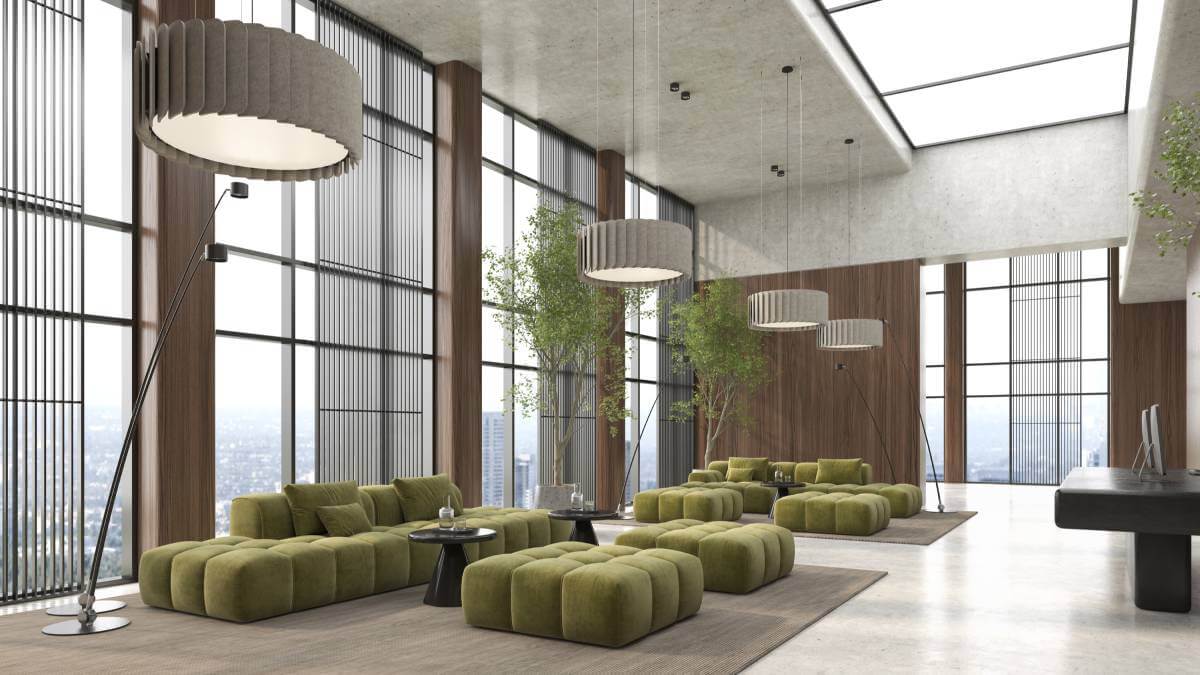
Collaboration remains one of the primary reasons employees choose to attend the office, particularly within hybrid working models. While focused tasks can often be completed remotely, brainstorming sessions, strategic discussions and team problem-solving benefit significantly from in-person interaction. As a result, meeting environments are being thoughtfully reimagined to better support creativity, engagement and adaptability.
Rather than relying solely on formal boardrooms with fixed layouts, office designs in 2026 are introducing a wider variety of collaborative settings, including:
- Informal lounge-style meeting areas that encourage relaxed discussion
- Agile project hubs with writable walls and movable furniture
- Flexible workshop spaces designed for training, ideation and group exercises
- Tiered seating zones for internal presentations or team briefings
These environments are intentionally less rigid than traditional meeting rooms. Softer seating, adaptable layouts and integrated technology make it easier to shift between structured presentations and open discussion. Teams can quickly reconfigure spaces depending on the objective, whether that is a client pitch, a strategy workshop, or a creative brainstorming session.
The design of these areas also considers comfort and atmosphere. Natural light, thoughtful lighting design and access to digital tools ensure spaces feel both inspiring and functional. When employees feel physically comfortable, they are more likely to contribute confidently and engage fully in collaborative work.
Guidance from the British Council for Offices (BCO) highlights the growing need for flexibility and varied workplace settings to support modern working patterns.
Acoustic and Privacy Solutions
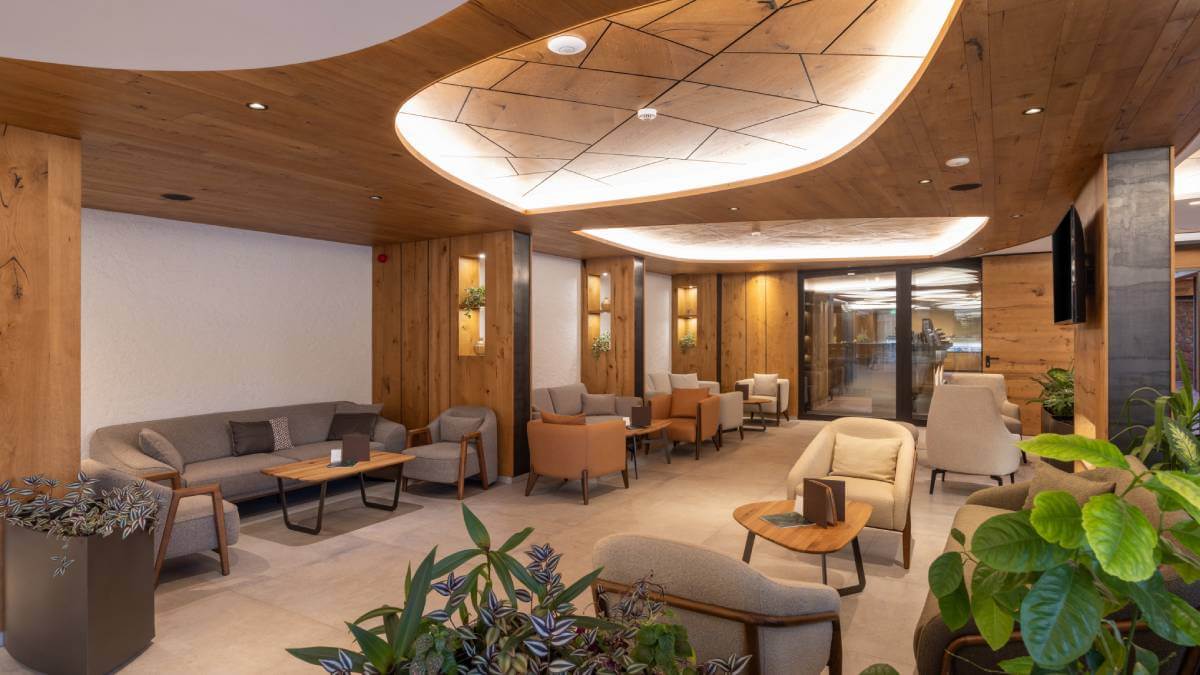
While open-plan layouts continue to support collaboration and transparency, they also present clear challenges around noise control and personal space. Background conversations, video calls and general movement can quickly become distractions, impacting concentration and productivity. The World Health Organization (WHO) recognises environmental noise as a key factor influencing wellbeing and performance.
Modern workplaces are therefore being designed with layered acoustic strategies rather than relying on a single solution. Acoustic performance is addressed through a combination of materials, spatial planning and specialist installations, including:
- Sound-absorbing ceiling systems that reduce reverberation
- Acoustic wall panels to minimise sound transfer between zones
- Enclosed phone booths for private calls and virtual meetings
- Zoned layouts separating collaborative areas from quiet focus spaces
- Soft furnishings and carpet tiles that naturally dampen noise
These elements work together to create an environment where employees can collaborate without constant disruption. Instead of eliminating open-plan layouts altogether, designers are refining them to ensure different activities can comfortably coexist.
Long-Term Maintenance and Lifecycle Planning
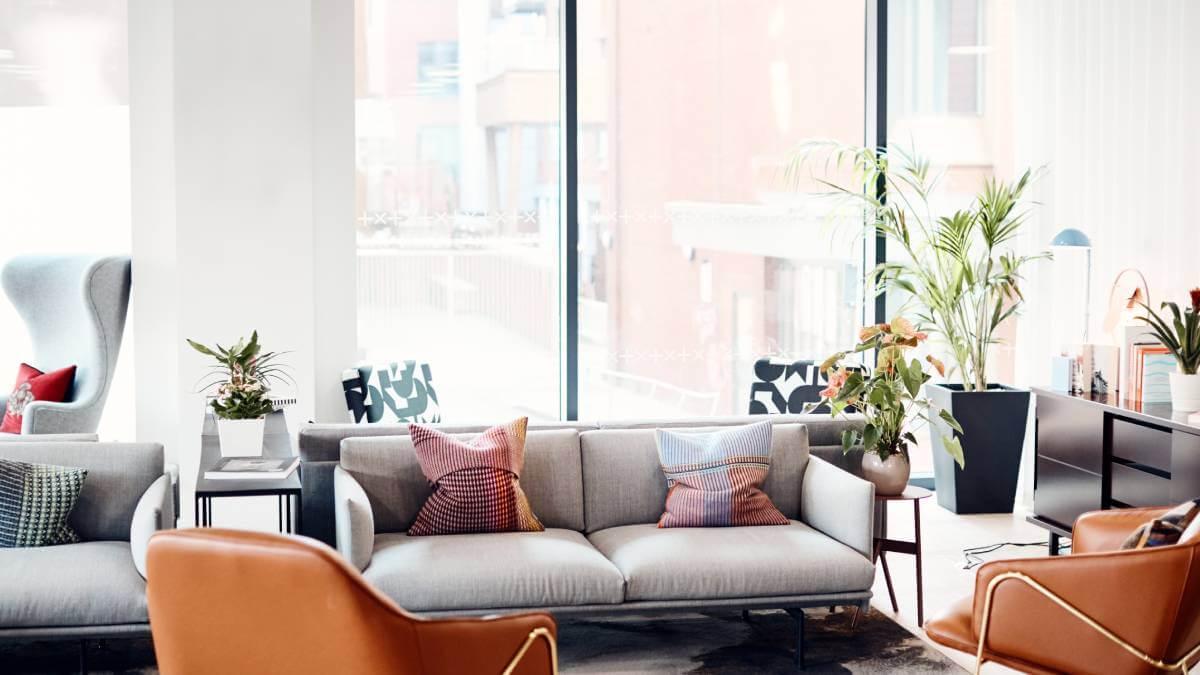
Future-ready office design considers performance beyond completion. Materials, systems and layouts should support durability and efficient upkeep.
Engaging commercial property maintenance specialists ensures that HVAC systems, lighting infrastructure and building fabric continue to operate efficiently. Preventative maintenance strategies extend asset lifespan and reduce operational disruption. Selecting robust finishes and easy-to-maintain materials also lowers lifecycle costs.
According to the Carbon Trust’s energy efficiency guides, reducing energy use is one of the most effective ways to cut operational costs in commercial spaces while also lowering carbon emissions.
Designing for the Future
Office designs for 2026 reflect a broader transformation in workplace philosophy. Offices are no longer static physical locations; they are dynamic environments that influence culture, sustainability and growth.
Businesses that approach office design strategically, integrating flexibility, sustainability, technology and wellbeing, position themselves for long-term resilience.
By combining thoughtful planning with expert delivery across commercial construction, refurbishments, and property maintenance, organisations can create workspaces that genuinely support both people and performance.
As expectations continue to evolve, the most successful offices will be those designed not just for today’s needs, but for tomorrow’s opportunities.
If you are planning a new office project or looking to upgrade your existing workspace, now is the time to act. Speak to our team to discuss how we can help you create a future-ready environment that reflects your brand, supports your people and delivers long-term value.